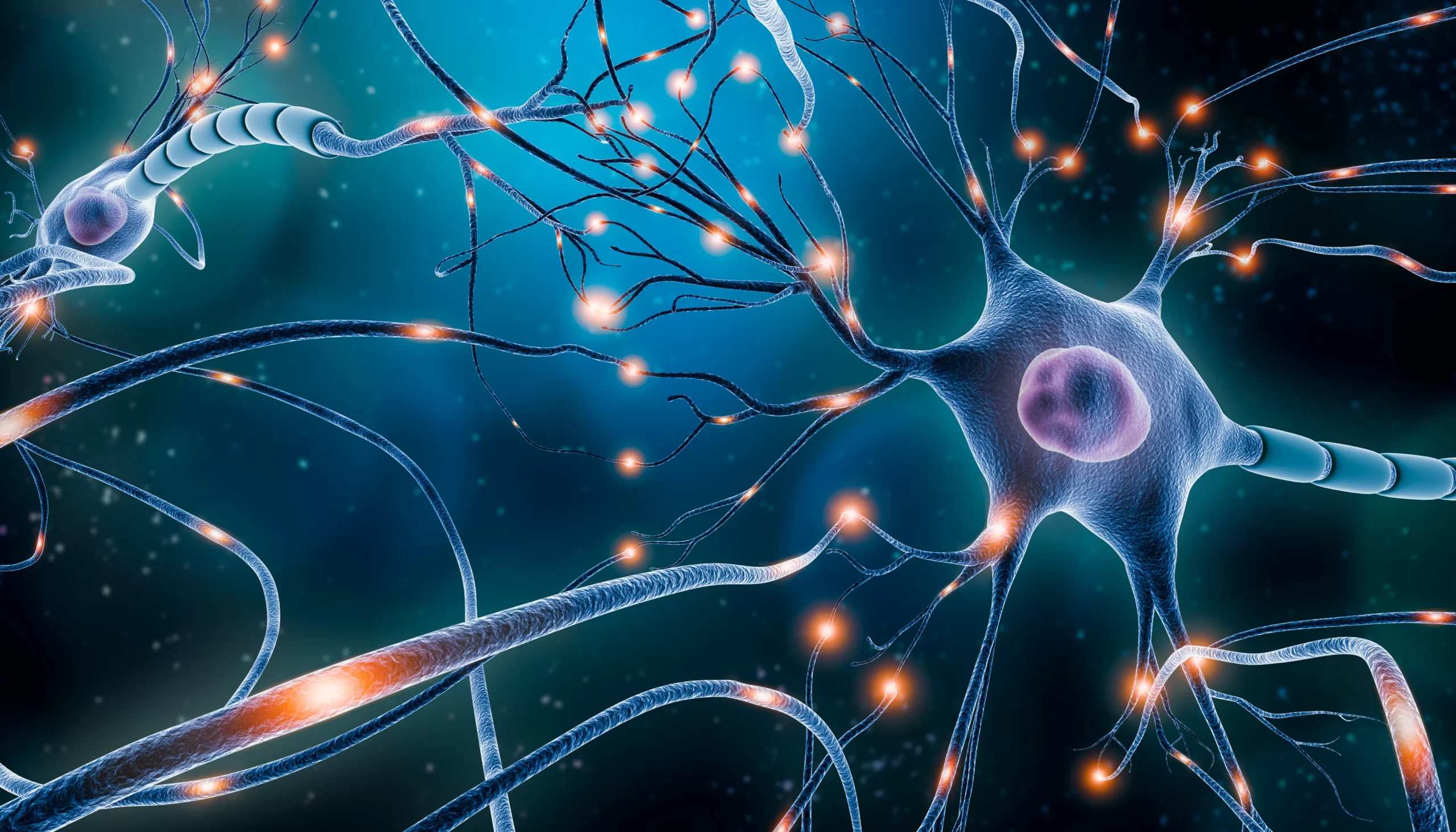
Neuroscience is rapidly evolving, transforming marketing research, and helping companies create more effective marketing strategies by understanding the brain's response to marketing stimuli.
The Neuroscience Revolution in Marketing
The intersection of neuroscience and marketing research represents one of the most exciting frontiers in understanding consumer behavior. By leveraging advanced brain imaging technologies and neurological insights, researchers can now peer into the subconscious mind to understand how consumers truly respond to marketing messages, products, and brand experiences.
Key Neuroscience Technologies in Marketing Research
1. Functional Magnetic Resonance Imaging (fMRI)
fMRI technology allows researchers to observe brain activity in real-time as consumers interact with marketing materials:
- Measuring emotional responses to advertisements
- Understanding brand preference formation in the brain
- Identifying neural markers of purchase intent
- Analyzing the impact of pricing on decision-making centers
2. Electroencephalography (EEG)
EEG provides insights into electrical activity in the brain, offering valuable data on:
- Attention levels during marketing exposure
- Cognitive load and information processing
- Emotional valence and arousal responses
- Memory encoding and brand recall mechanisms
3. Eye Tracking and Biometric Measures
Combined with neuroscience techniques, these tools provide comprehensive insights:
- Visual attention patterns and gaze behavior
- Physiological responses to marketing stimuli
- Subconscious reactions to product packaging
- Emotional engagement with brand messaging
Applications in Marketing Strategy
Neuroscience-based marketing research is revolutionizing how companies approach various aspects of their marketing strategies:
Brand Development and Positioning
Understanding how brands are processed in the brain helps companies create stronger brand identities and positioning strategies that resonate at a neurological level.
Product Design and Innovation
Neuroscience insights inform product development by revealing which features trigger positive emotional responses and purchase intentions in consumers' brains.
Advertising Effectiveness
By measuring neural responses to advertisements, companies can optimize their creative content for maximum impact and emotional engagement.
The Future of Neuromarketing
As neuroscience technologies become more accessible and affordable, we can expect to see broader adoption across industries. Future developments may include:
- Real-time optimization of digital marketing campaigns based on neural feedback
- Personalized marketing messages tailored to individual brain response patterns
- Integration of AI and machine learning with neuroscience data
- Development of more portable and cost-effective neuroscience tools
Ethical Considerations
As with any powerful technology, the use of neuroscience in marketing research raises important ethical questions. Companies must ensure that they use these insights responsibly, respecting consumer privacy and avoiding manipulative practices that could harm consumer welfare.
The transformation of marketing research through neuroscience represents a paradigm shift in how we understand and influence consumer behavior. Companies that embrace these technologies while maintaining ethical standards will be best positioned to create marketing strategies that truly resonate with their target audiences.
Interested in exploring how neuroscience can enhance your marketing research? Contact our team to learn about cutting-edge neuromarketing methodologies and their applications in your industry.